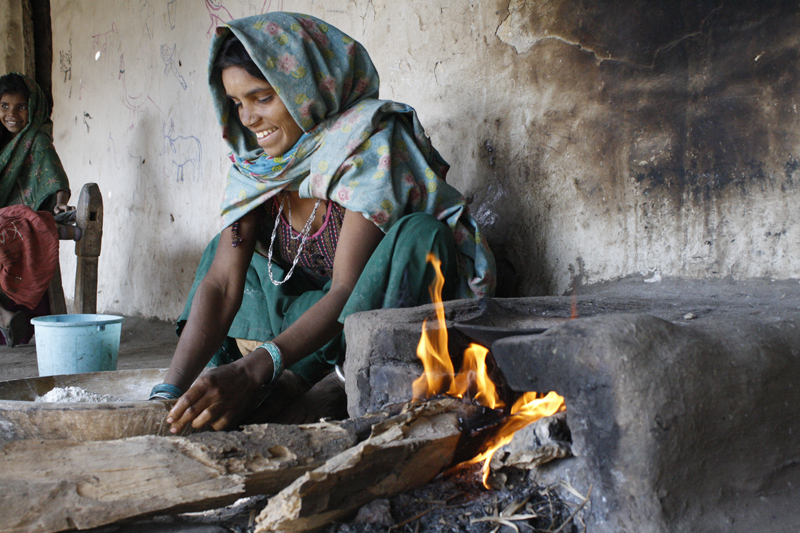

Ready-to-use social media tiles that countries and regions can adapt and update for their own contexts. The materials are designed to support national and regional campaigns on household energy, helping communicate the health impacts of household air pollution and promote cleaner cooking solutions in a clear, accessible way.
The technical brief summarizes current status of household energy use, barriers, drivers and enablers of clean household energy transitions as well as the way forward for countries, the research community and the health sector.
CHEST includes six modules that provide resources for mapping key stakeholders; conducting a situational assessment; identifying technological and policy intervention options; setting standards; performing monitoring and evaluation; engaging the health community; and improving communications and raising awareness.
Module 2: Introduction to household air pollution
WHO monitors the exposure levels and health impacts (i.e. deaths, DALYs) of air pollution at the national, regional and global level from ambient (outdoor) and household air pollution. Such estimates are used for official reporting like the world health statistics, and the Sustainable Development Goals.
In June 2024, WHO in collaboration with the Rwanda Ministry of Health organized the “Air pollution and clean energy access for health in Africa: capacity building workshops in Rwanda”, which consisted of two capacity-building workshops targeting a multi-sectoral audience at the national level.
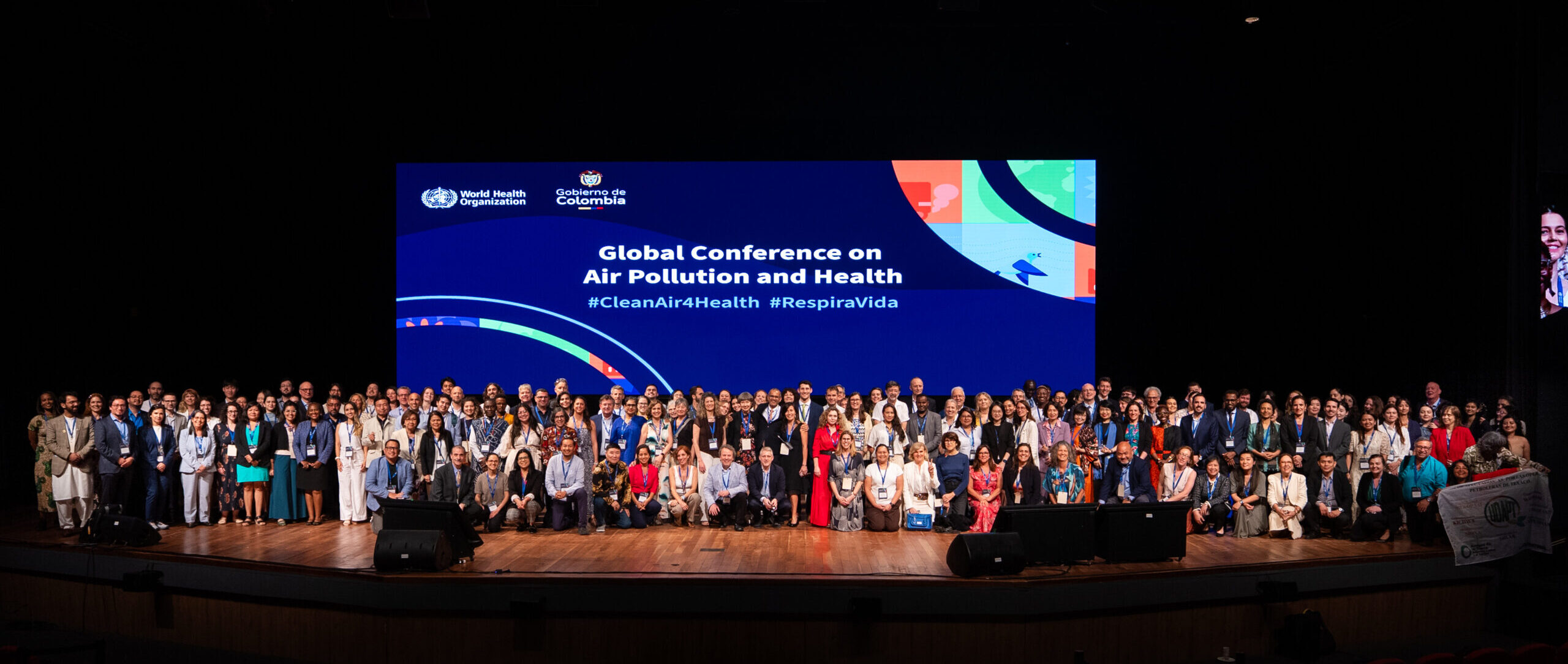
Despite global progress, household air pollution remains a leading health challenge, contributing to millions of premature deaths annually. This session offered insights into the scientific evidence of global/regional exposure trends, health effects, and the effectiveness of clean household energy interventions. The event featured experts and decision-makers discussing policies/strategies for reducing exposure and protecting health.
This session examined the crucial role of the health sector in promoting clean household energy transitions and advancing health, air quality, and climate goals. Experts shared regional experience, practical tools, and financial strategies, demonstrating how health evidence and cross-sector collaboration can scale clean household energy transitions that address disparities, improve public health, and align with climate goals.
Watch all sessions on demand and catch up on key highlights, insights, and takeaways, including several discussions on household energy and health.
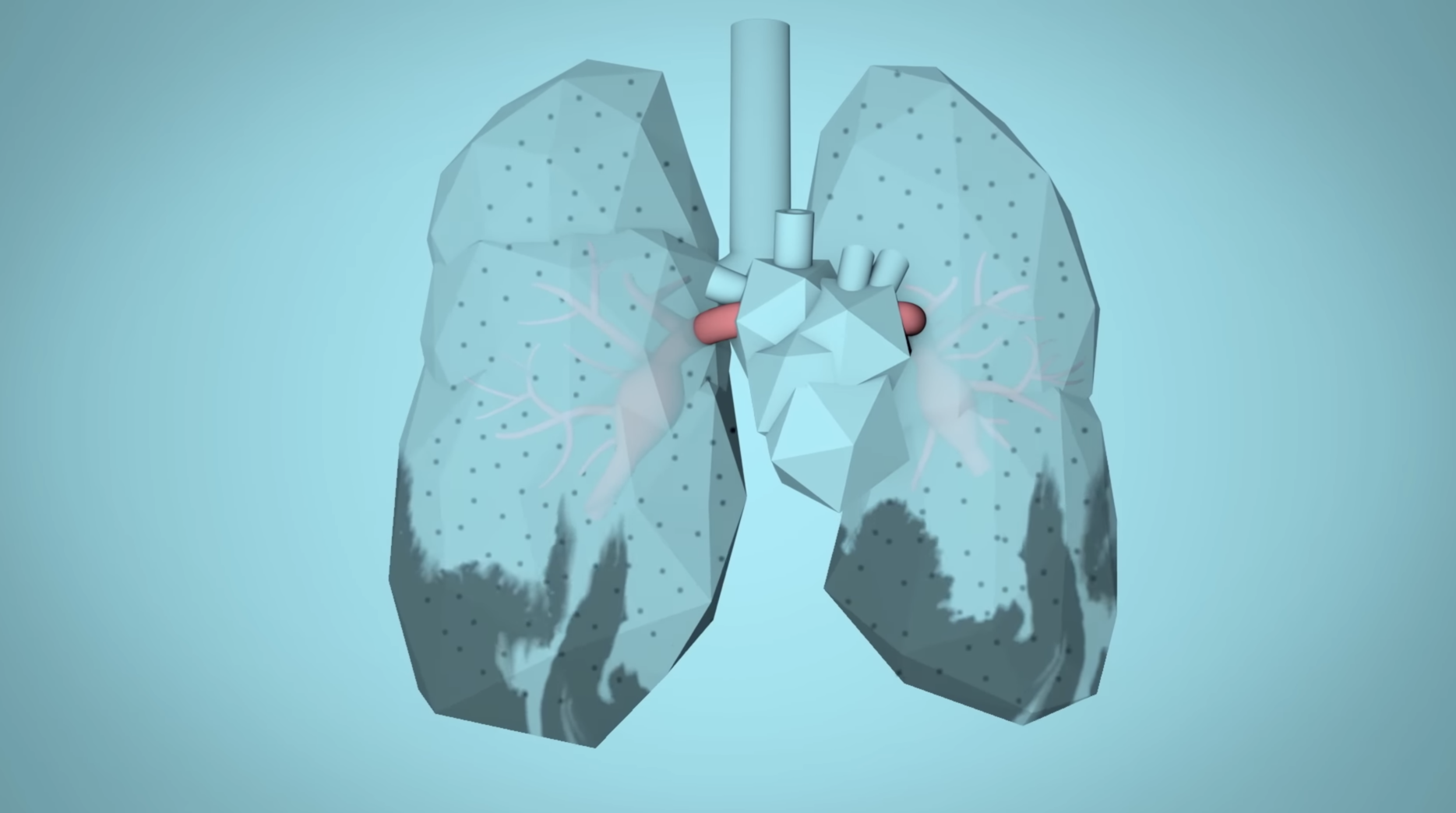
Air pollution is an invisible killer that lurks all around us, preying on the young and old. Learn how it slips unnoticed past our body's defenses causing deaths from heart attack, strokes, lung disease and cancer.
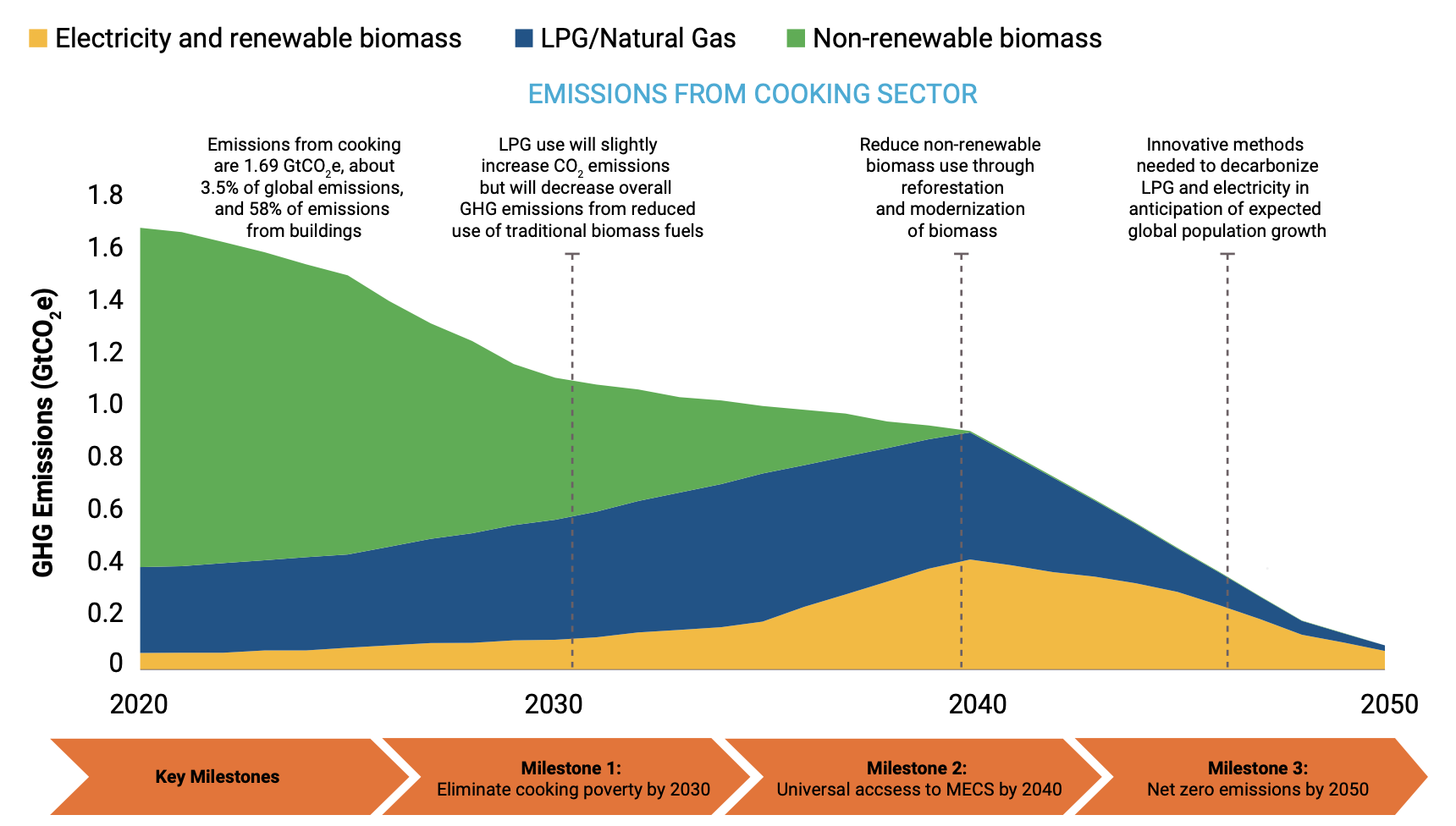
This resource outlines a just and inclusive pathway for transitioning to clean cooking between 2020 and 2050, highlighting key milestones, actions, and equity considerations to support progress toward net-zero goals while protecting health.